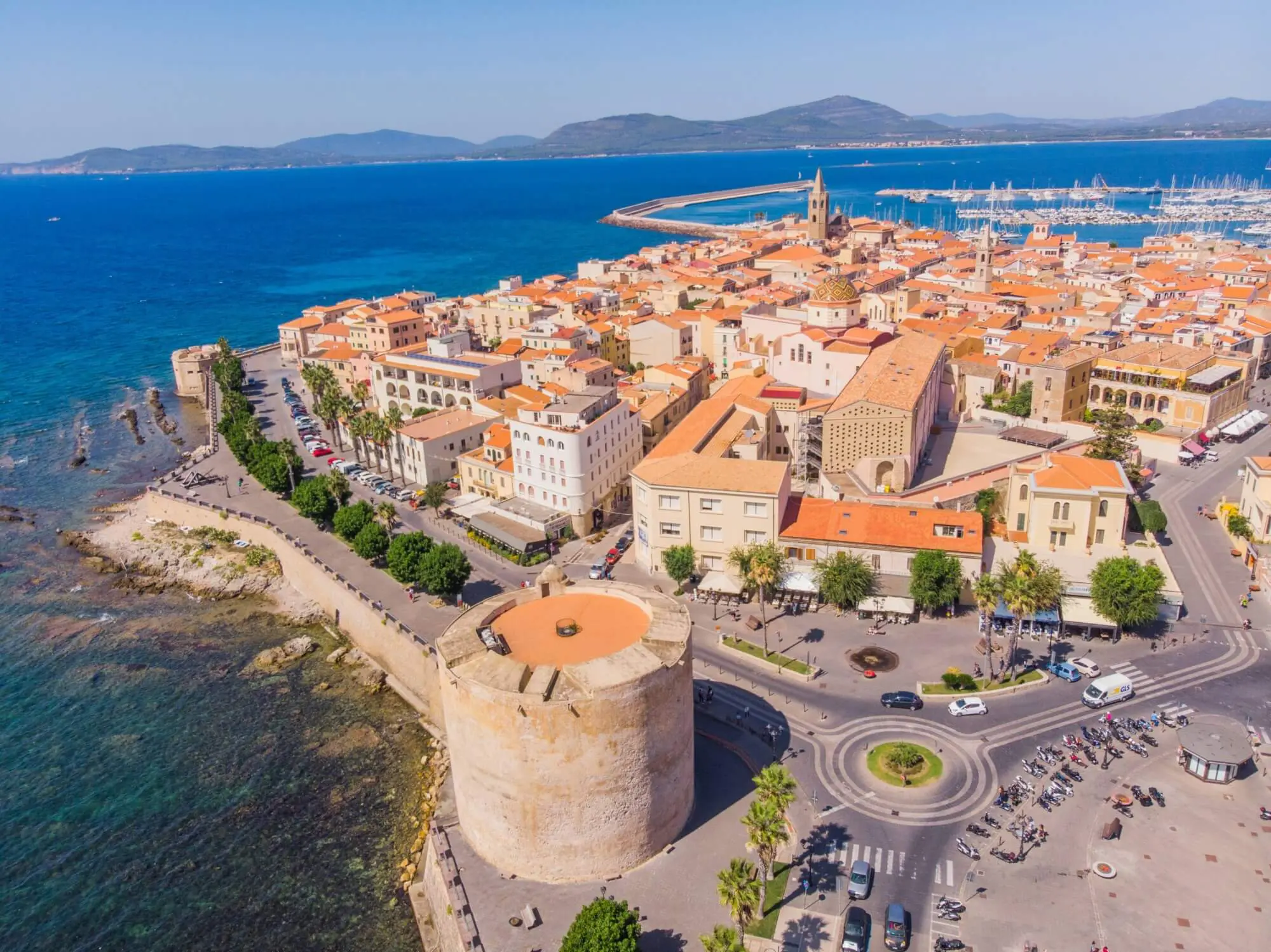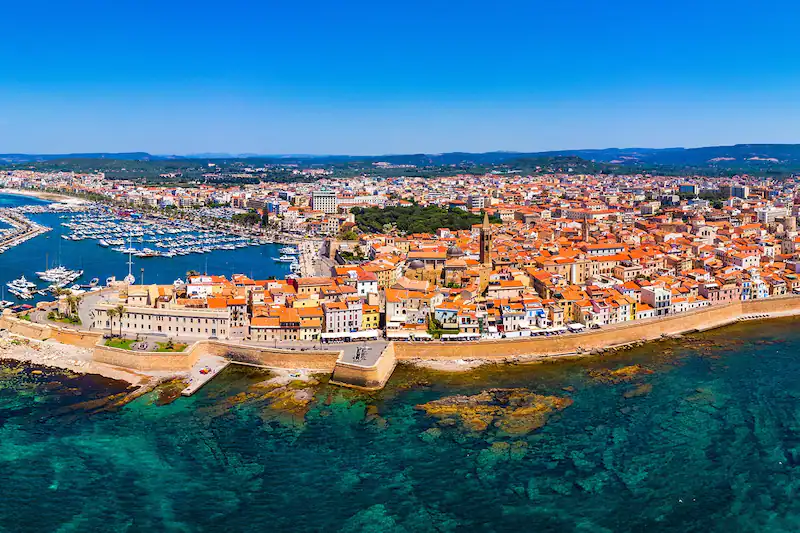
A cycling holiday along Sardinia’s west coast is a great way to experience the island by bike. Sardinia offers a mix of landscapes and traditions shaped over time. Local roots meet Roman, Spanish, Genoese, and Catalan influences, giving this route a strong Mediterranean feel.
The tour begins in Alghero, where Catalan history is still visible. At times, it feels closer to Spain than to mainland Italy. You ride along the coast toward Bosa, a charming medieval town, and then continue to Cabras, an area known for lagoon fishing and bottarga production.
The route then crosses the remote Costa Verde, a green and rugged area marked by old mining sites. The scenery changes again as you reach San Pietro and Sant’Antioco, two southern islands with a long tradition of tuna fishing, especially around Carloforte.
The final stage follows the south coast. White beaches, clear water, and small towns like Chia and Pula close the tour with relaxed rides and strong coastal views.
Does this tour sound interesting to you? If you’d like more information before booking, you can schedule a free call with our local guides to discuss.
Are you traveling with your partner, family, or a group of friends? You can request a private tour and tailor the cycling trip in Sardinia to your schedule and preferences.
The West Coast of Sardinia | Self-Guided Bike Tour
From Alghero to Pula
Self-Guided Bike Tour
A Self-Guided Bike Tour is a type of cycling adventure where you have the freedom to plan and navigate at your pace. Our dedicated tour guide and support team will handle hotel bookings, logistics, and baggage transport, ensuring you enjoy a hassle-free and carefree experience.
Active
Stages up to 70 km per day with a maximum of 1300 meters of climbing. Those tours appeal to riders used to train a bit, with some “tasty” climb. Usually you are back at the hotel in the early afternoon.
For guests that want more riding, we can add extra loops to regular stages.
55-100 Km/day – 34-62 Mi/day
In: Alghero (Google Map)
Out: Cagliari (Google Map)
A town shaped by Catalan roots
Alghero feels unusual. You are in Sardinia, with white sand beaches and clear water. Food, wine, and daily life feel Italian. But when you walk through the old town, it feels closer to Catalonia. You might even sit down to try the local Paella Algherese.
This mix of cultures exists in many parts of Sardinia. The island sits right in the middle of the western Mediterranean, and you really sense it here. That’s why the tour begins in Alghero. The airport is only ten minutes from your hotel.
After check-in, you receive a clear briefing on the entire bike tour, day by day, followed by a bike fitting. Then you head out for a short warm-up ride through quiet countryside, passing olive groves, orchards, and vineyards on the way to Capo Caccia and the Neptune caves. Along the route, you’ll also see traces of ancient history, like the Palmavera nuraghe, dating back to 1500 BC.
The day ends back in town, with a seafood dinner at one of the restaurants along the old city walls.
Overnight: Alghero
Included: –
A scenic coastal ride to Bosa
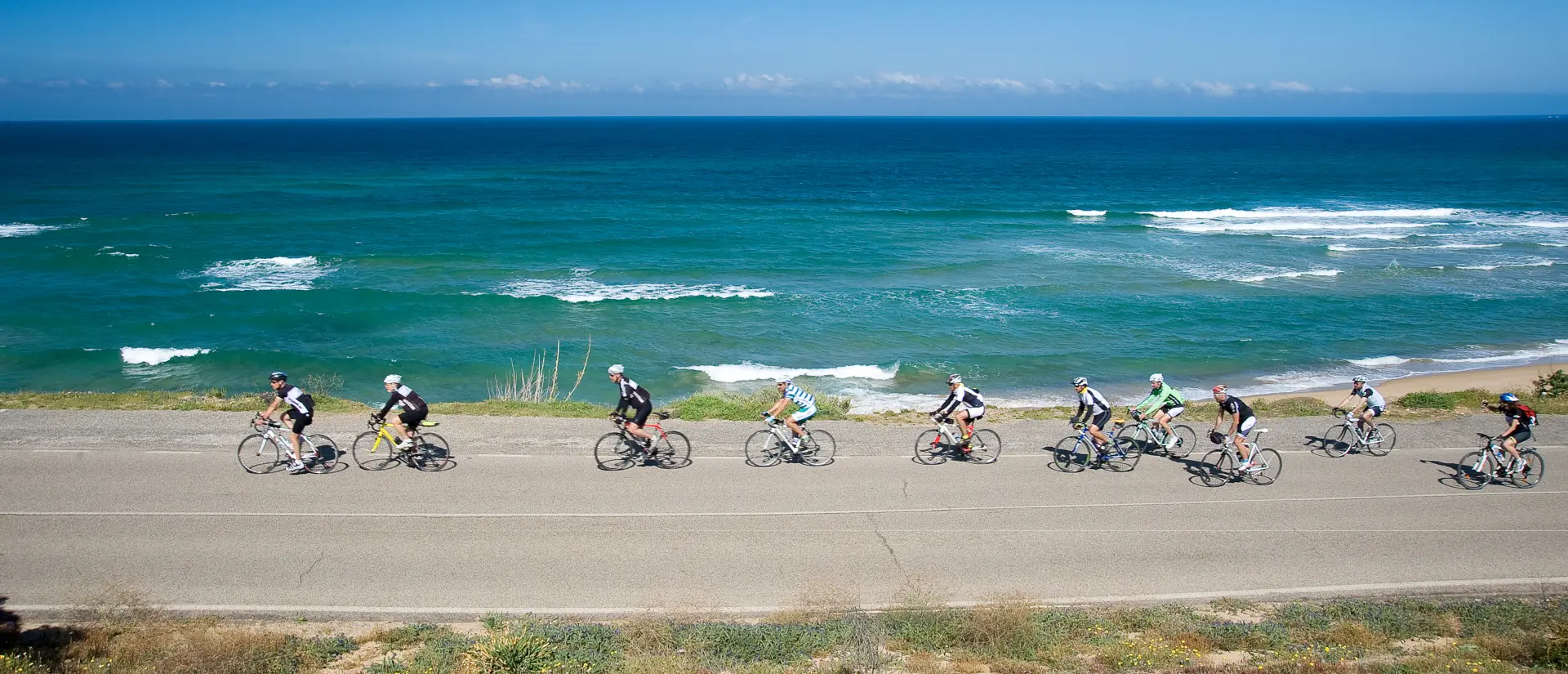
Leaving Alghero, you ride along a quiet coastal road with open sea views and almost no traffic. It’s a perfect way to start a West Coast bike tour in Sardinia. The route is about 45 km, with gentle climbs and descents, and leads straight to Bosa, one of Italy’s best-preserved medieval towns.
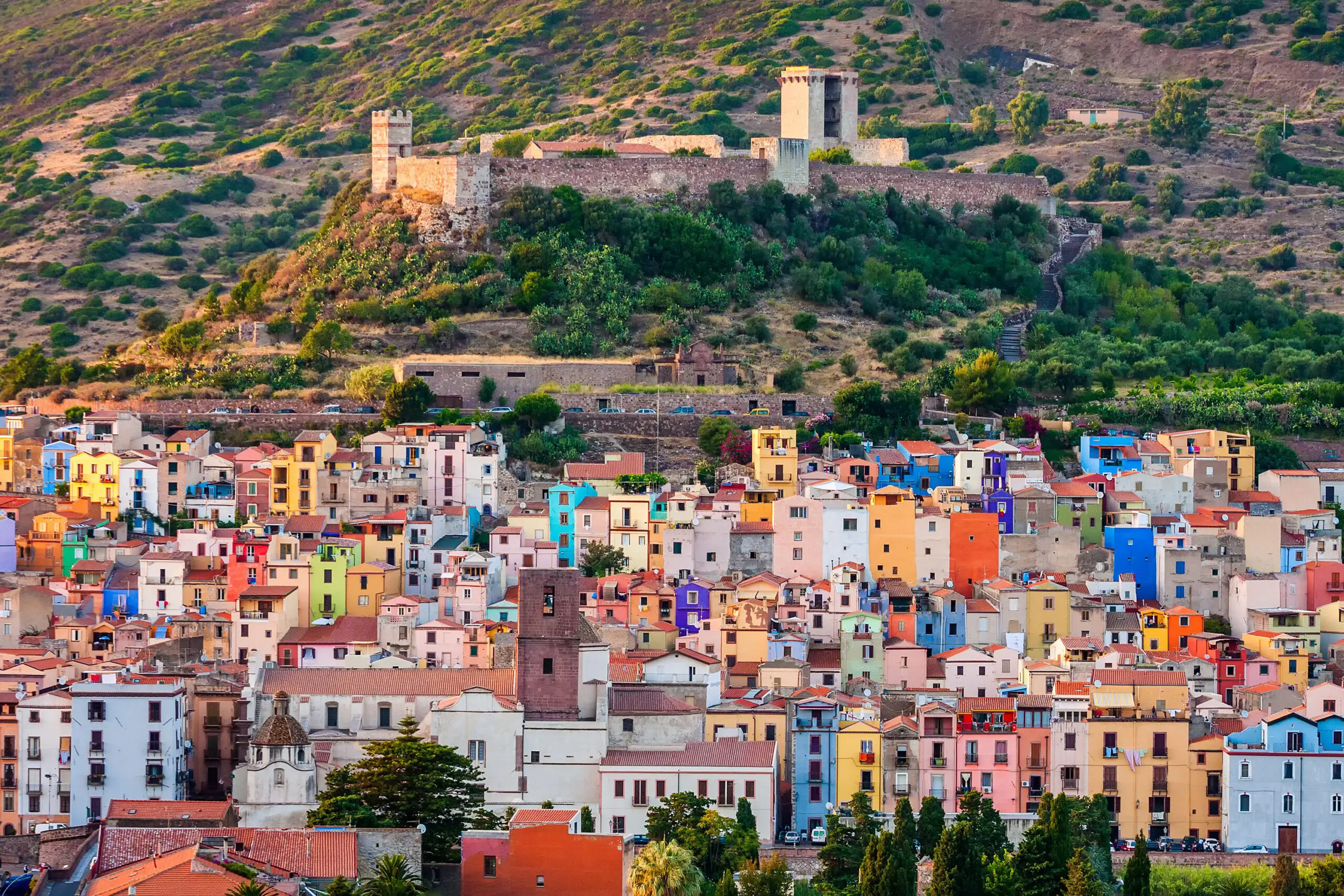
Bosa sits on a hillside, overlooked by the 12th-century Malaspina Castle, with the Temo River flowing through the valley below. Stop in the historic center for a short break and try a glass of Malvasia, the local wine of the area.
After checking in at your centrally located hotel, take time to wander through the old town. Narrow stone streets and small local shops give the place a calm, authentic feel. It’s one of the most intact historic centers in the country.
Overnight: Bosa
Included: Breakfast
From olive groves to the land of bottarga
This route crosses one of Sardinia’s main olive oil regions. Cuglieri sits at the center of this tradition, which began in the 16th century under Jesuit influence. The road climbs from the area of the cathedral, a clear landmark, and reaches the top of the hill before dropping in a long, enjoyable descent toward the coast.
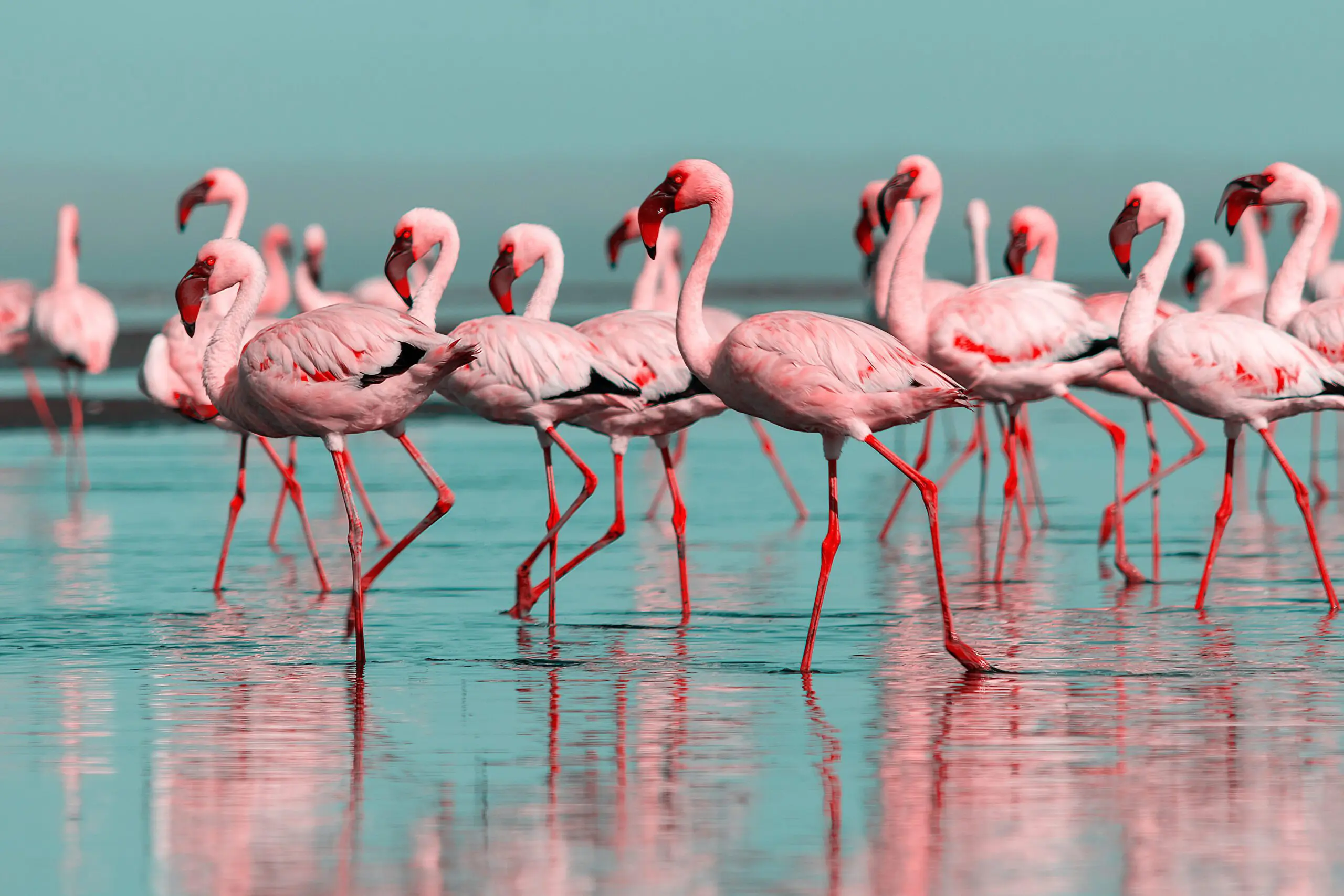
Along the shoreline, it’s possible to stop at S’Archittu beach, famous for its natural rock arch over the sea. From here, the route continues into the Sinis Peninsula. Lagoons, fishing traditions, and ancient history define this landscape. Pink flamingos are often seen, along with traces of Phoenician heritage. Local tradition says bottarga was first prepared here, using cured mullet roe from the lagoons.
The route finishes in Cabras, the main town of the area. This is where the Giants of Mont’e Prama are displayed, 9th-century BC statues representing Nuragic warriors.
Overnight: Cabras
Included: Breakfast
Cycling along the wild Costa Verde
This part of the route moves from the Sinis Peninsula into the Costa Verde, an area loved by road, trekking, and gravel cyclists. The landscape changes fast and feels open and remote.
The first section runs through flat and fertile farmland, passing Arborea, a town founded about a century ago after the reclamation of former marshlands. Near the fishing village of Marceddì, a narrow bridge marks the entrance to the Costa Verde.
Because of its mining past, this stretch of Sardinia has remained largely untouched. There are a few towns and almost no tourist infrastructure. The roads are quiet, the scenery wide and raw. Old mining villages stand abandoned, and long sandy beaches with massive dunes, like Piscinas, appear along the way.
A long but steady climb leads up to Montevecchio, once an important mining center and now abandoned, before continuing to Arbus. Accommodation is in the countryside, at an agriturismo with simple rooms and a restaurant serving traditional Sardinian food.
Overnight: Arbus
Included: Breakfast
Back to the coast
The route begins quietly, crossing the Arbus plateau and climbing toward the Bidderdi pass. From here, a long 10 km descent leads back to the sea, reaching Portixeddu, an expansive beach shaped by the Mistral wind, and then Buggerru, a town deeply linked to Sardinia’s mining past.
The road climbs again toward Acquaresi, with a stop at Cala Domestica along the way. This small bay was once a mining harbor and is now a clear-water cove set between cliffs.
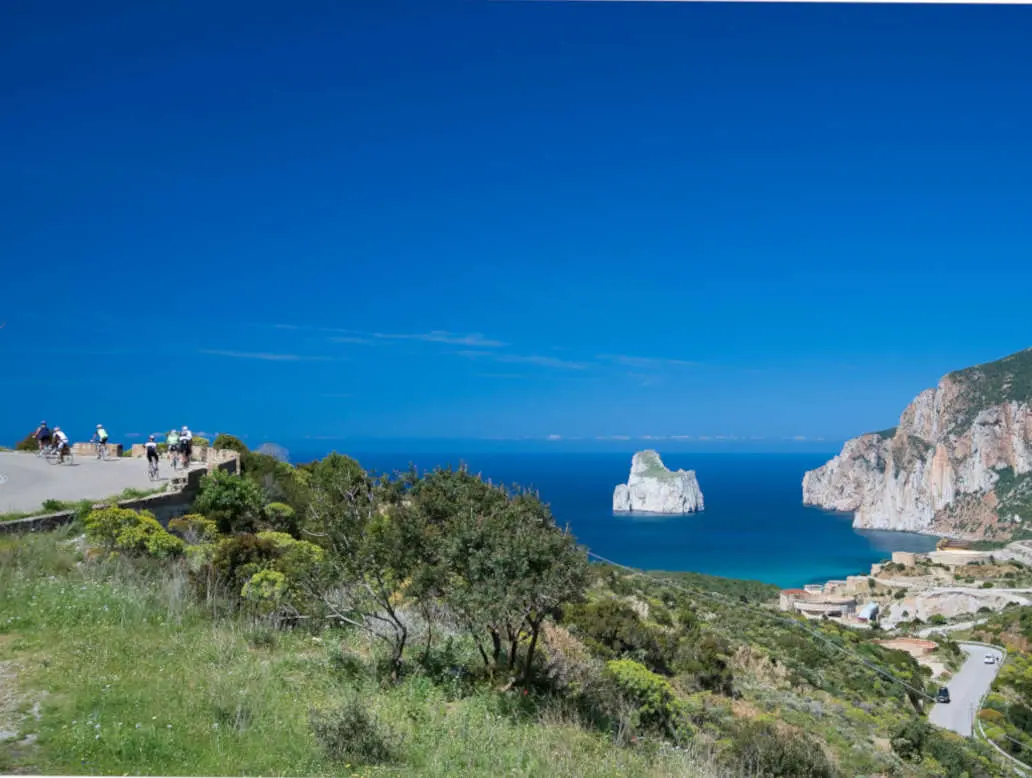
The following descent toward Masua is well known among cyclists, especially for the view of the Pan di Zucchero sea stack at the end of the road. The route then climbs again toward Nebida, where a short break allows time for a coastal walk with open-sea views. The final stretch drops down to Fontanamare and continues to Portoscuso, the day’s endpoint.
Overnight: Portoscuso
Included: Breakfast
Exploring the multicultural roots of Carloforte
This ride focuses on the two islands off Sardinia’s west coast. They sit close to each other but differ significantly in their history and landscape. The route starts with a short ferry crossing from Portovesme, near Portoscuso. The crossing takes about 30 minutes and offers views of Isola Piana and the old tuna traps, known locally as tonnare, which remain linked to Carloforte’s fishing tradition.
Carloforte, the main town on San Pietro Island, reflects a mix of Ligurian, North African, and Sardinian influences. Cycling here means quiet roads between salt pans, small coves, and dramatic cliffs, all the way to the lighthouse at Capo Sandalo. After the ride, there is time for lunch in town, well known for its red tuna cuisine. One local specialty is cascà, a couscous-style seafood dish that reflects the island’s mixed cultural roots.
In the afternoon, the ferry returns “back to Sardinia,” as locals like to say, landing in Calasetta. Stronger riders can continue on a scenic 40 km loop around Sant’Antioco, following the coast past hidden beaches, old Spanish watchtowers, and cultivated fields.
Overnight: Sant’Antioco
Included: Breakfast
Through Carignano vineyards and the south coast
The final part of the route leaves strong, postcard-like memories. From Sant’Antioco, the road crosses salt pans and reaches Trattalias Vecchia, an abandoned medieval village that remains remarkably intact.
After a short stop, the ride continues through quiet farmland and Carignano vineyards, home to a wine produced only in this part of Sardinia. A steady climb is followed by a long descent to the southern coastline, where the road runs above the sea with wide-open views.
This stretch passes some of Sardinia’s most well-known beaches, including Tuerredda and Su Giudeu near Chia. The last kilometers lead into Pula, a lively town built near the ancient Phoenician and Roman site of Nora. Here you can visit the archaeological ruins and the old theater. Pula is a fitting place to end a cycling journey along Sardinia’s west coast.
Overnight: Pula
Included: Breakfast
Arrivederci, amici
It’s time to say goodbye, but the island often leaves a mark and a wish to return, to Sardinia or to another cycling destination with us.
After breakfast, assistance with bikes and luggage is provided, followed by a shuttle transfer to Cagliari Airport, about 30 minutes from Pula.
Ciao amici, a presto!
You can bring your own bike or rent one from us, we offer great bikes from selected Italian and international brands: road bikes, leisure cycling, mountain bikes, e-bikes, all in perfect working conditions. You can book your rental bike at the end of the reservation process.
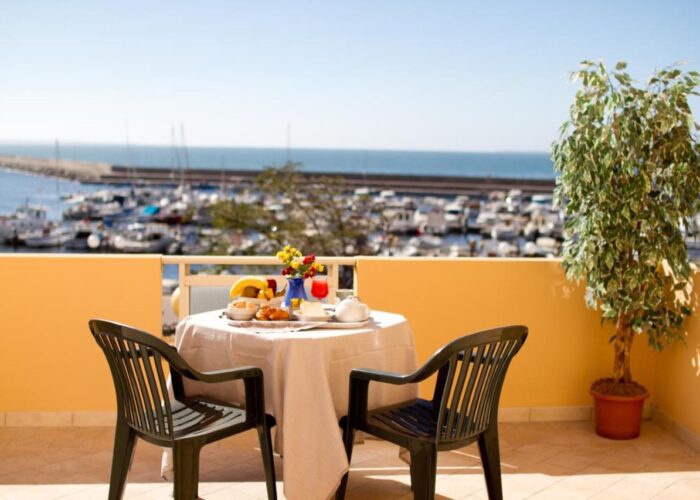
Nice and easy hotel for bikers in Portoscuso city center. Good restaurant, a perfect sea view, and is close to the ferry to Carloforte.
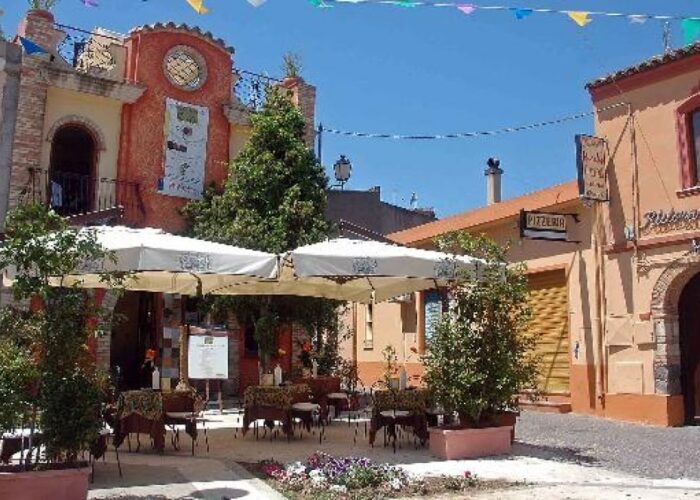
A boutique Hotel in Pula downtown in an old villa totally restored. Walking distance from Pula main square.
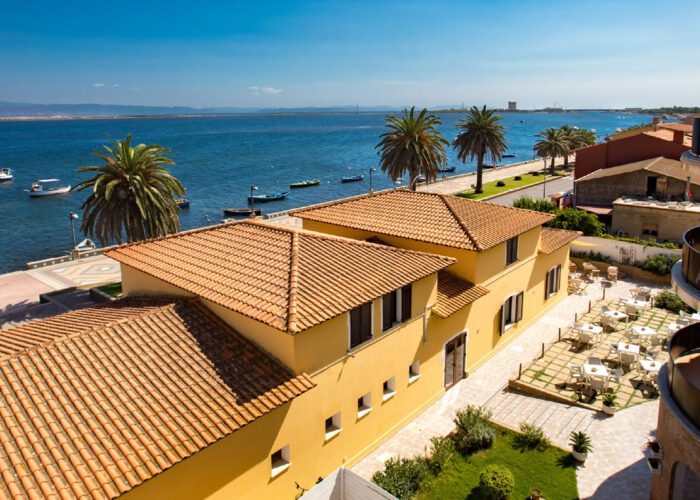
The MuMA is an Ecolabel hotel with a museum inside. Sea front and walking distance from the city center.
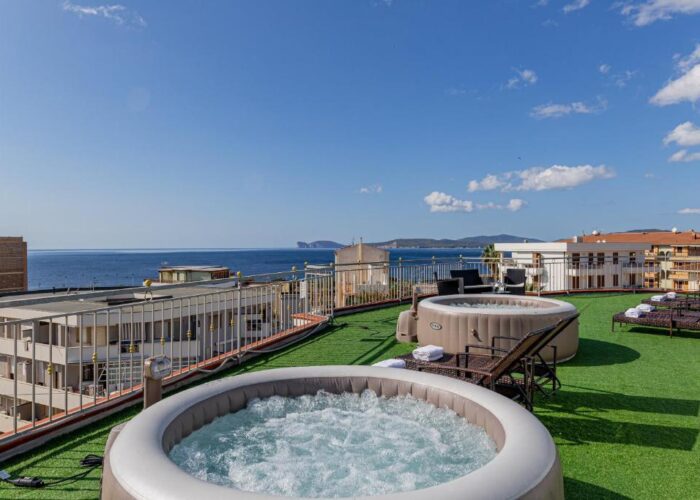
Sea view hotel with terrace, right on the way to Bosa. Walking distance from Alghero old town.
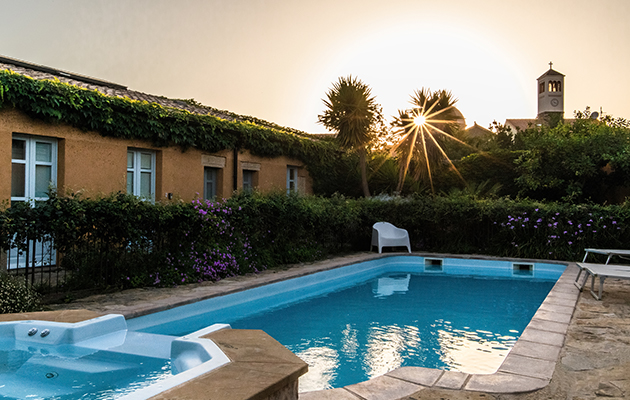
This charming hotel, close to Cabras cathedral, is created with taste and respecting local architecture.
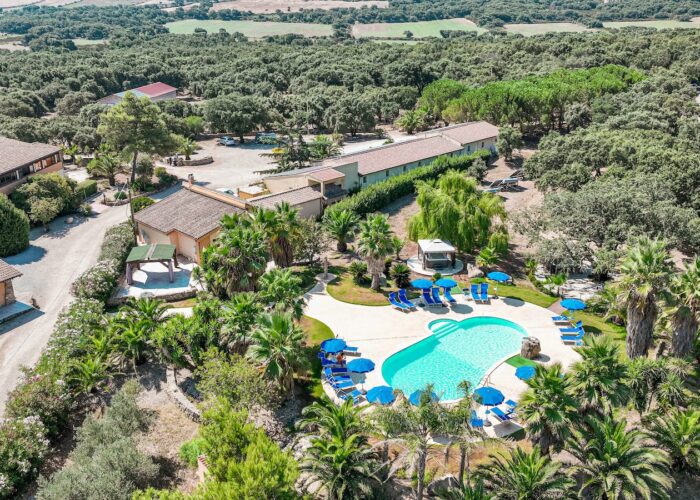
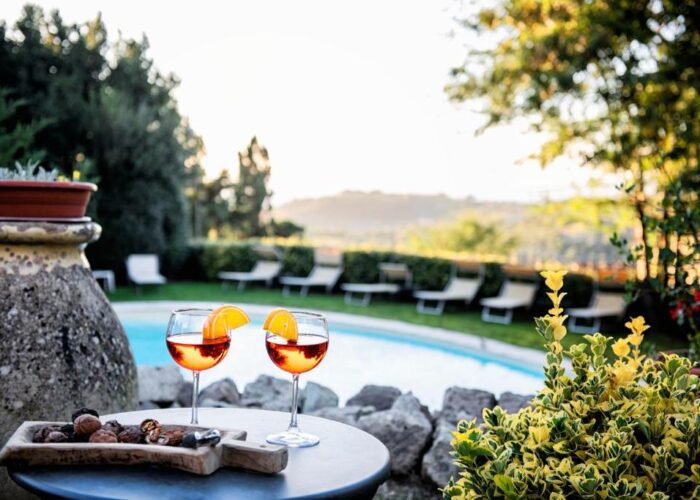
Rocce Bianche farmhouse offers spacious rooms with wooden furniture and roof amidst a centuries-old cork oak forest. Enjoy the delicious restaurant and the refreshing pool.